Till Rolls and Tote Bags: One Tour's Worth of Merch Table Truths
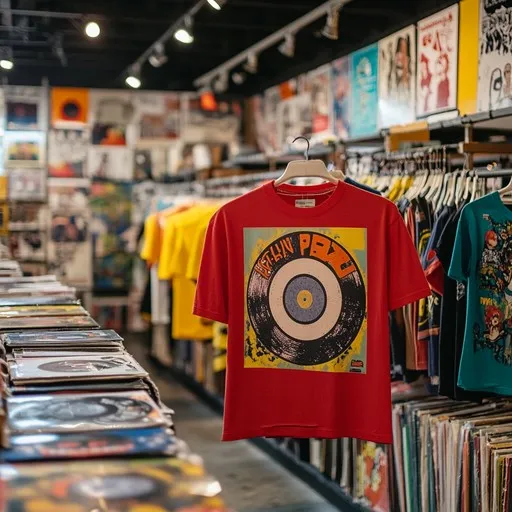
Photo: band merchandise table vinyl records t-shirts at small music venue, via images.stockcake.com
There's a moment every night, about twenty minutes after the encore, when the merch table becomes the most honest place in the building. The queue has gone. The lights have come up. And whoever's working the stand — on this tour, that's usually tour manager Ellie or soundman Dave, depending on whose kettle is closer — starts counting what's left.
Lewis Taylor's team kept notes on every night of the last run of dates. Eighteen shows, from a sold-out basement in Dalston to a Tuesday in Hull where eleven people bought something. What follows is the most affectionate audit in British soul.
Hull Buys Vinyl. London Buys Tote Bags.
The pattern was so consistent the crew started betting on it. Outside London, vinyl is king — LPs accounted for nearly half of all sales in Sheffield, Leeds and Glasgow, often bought by people who'd clearly come specifically for the record and would happily queue twenty minutes to get it signed.
In the capital? Tote bags. Relentlessly. 'People in London are buying something they can carry the vinyl home in,' Ellie reasons. 'They're buying the vinyl and the bag. It's a whole lifestyle purchase.' Totes outsold hoodies at every single show, which flies in the face of every merch convention going.
The Hoodie Problem
Hoodies are the merch table's great heartbreak. Beautifully made, lovingly designed with artwork from the latest record, priced at a heart-in-mouth £45 — and by the end of most nights, they sat folded in the same neat stacks they arrived in.
The maths is brutal. A hoodie order is the single biggest outlay a small artist makes before a tour. If they don't shift, they don't just fail to make money — they actively cost it. Two shows sold exactly one hoodie each. One of those was to a crew member's mum.
The T-shirts, priced gentler at £25, moved steadily all tour. Lesson quietly absorbed for the next run: fewer hoodies, more tees, and never order a size run that doesn't include a single small.
The Signed Setlist Economy
Here's something nobody plans for: the handwritten setlist taped to the stage at the end of the night becomes currency. Fans started asking if they could buy it. Then they started asking if Lewis would sign it. By Glasgow, the crew were photocopying setlists at the hotel and selling the copies for a fiver, with the original quietly reserved for whoever asked nicest.
It sounds small. It isn't. A signed setlist is the cheapest possible object that carries the weight of having been there. In an era when the music itself streams for nothing, people are paying for proof.
The Pizza, The Pound Coins, The Left-Behind Things
The notes also record the unglamorous stuff. The card reader that died in Bristol, meaning forty minutes of cash-only sales and a toast rack borrowed from the venue to hold pound coins. The half-eaten pizza that became the unofficial merch table mascot for three consecutive shows. The woman in Manchester who bought a vinyl, left it at the bar, and had it posted to her the following week — postage paid out of merch money, no questions asked.
And the things people leave behind: a scarf in Newcastle, an umbrella in every city, and a single baby shoe in Birmingham, which remains unexplained and, per Ellie, 'stays in the tour box forever.'
Why It All Matters
For an independent artist, the merch table isn't a souvenir stand — it's the business model. Streaming a Lewis Taylor album a hundred times earns less than one T-shirt. Every record sold on the night goes straight back into making the next one, paying the band, fuelling the van.
So if you've ever stood at a merch table, hovering, deciding — that purchase mattered more than you probably thought. And if you've ever left the T-shirt on the pile and just said goodnight? That's fine too. The crew would rather you went home humming the songs.
Though if you do fancy a tote bag — London's already proven you're not alone.