The Last Song Rule: How an Encore Rewrites Everything You Just Heard

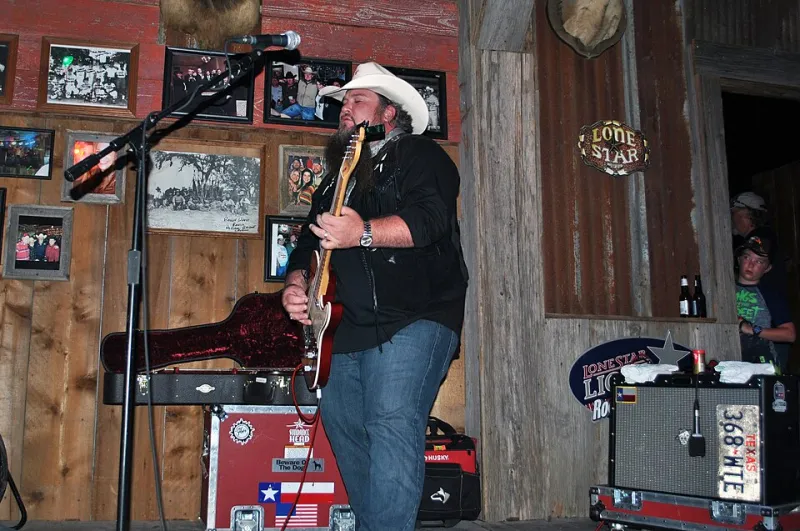
Photo: The Conmunity - Pop Culture Geek from Los Angeles, CA, USA, CC BY 2.0, via Wikimedia Commons
There's a moment at every gig that nobody puts on the poster: the walk-off. The band leaves, the house lights stay low, and the crowd performs its ritual chant. But the real drama isn't the encore itself — it's the choice behind it. Because the last song isn't just a song. It's the bit your brain keeps when everything else has blurred into the night bus home.
Ask anyone about a gig they loved and watch what happens. They rarely start at the beginning. They start at the end.
The Whisper or the Wall
Broadly, soul artists split into two camps. There are the closers — the ones who build the whole evening towards a big, arms-out finale, the gospel-rush ending, the band arranged like a wall behind them. And there are the leavers — the ones who end quiet, almost apologetic, sending you out into the drizzle with something fragile still ringing in your ears.
Neither is wrong. But they say very different things.
Go big, and you're telling the crowd: this was a show, and shows end with fireworks. Go small, and you're saying: you don't need me to shout it — you'll carry it home yourself. The second approach is riskier. A whispered ending only works if the room has genuinely been with you for two hours. There's no production to hide behind, no key change doing the emotional heavy lifting.
Reading Lewis Taylor's Setlists Like Tea Leaves
We spent an afternoon with a shoebox of setlists — or rather, photos of setlists, taped to monitor desks and tucked into merch crates — spanning different eras and rooms. The pattern is telling.
In the smaller Dalston days, the closers were the slow ones. Intimate rooms, songs ending on a held note and a nod to the soundman. Later, in bigger venues and festival slots, the set flipped: uptempo material pushed earlier, and the finale grew teeth. Same songwriter, opposite instinct — proof that the last song is as much about the room as the record.
A veteran promoter we spoke to, who's booked soul acts everywhere from Sheffield basement venues to the Albert Hall's smaller cousins, put it bluntly: "You can tell an artist's confidence by their encore. Insecure acts repeat their biggest stream. Confident ones end on the song they love, stream counts be damned."
What the Regulars Say
We also asked the people who actually stand there: the gig-goers. The responses were remarkably consistent. Nobody remembered the singalong banger with much affection. What lingered were the odd choices — the unreleased track, the stripped-back cover, the moment the artist sent the band off and finished alone at the keys.
One woman outside a venue in Manchester put it better than any critic could: "The last song is the one you hum in the taxi. Everything else is just getting there."
The Story You Retell
Here's the thing about endings — they're not the end at all. They're the beginning of the story the audience tells afterwards, at work the next morning, in the group chat, in the review they didn't plan to write. The encore is the artist getting the final word in a conversation the crowd will continue for years.
So next time the lights drop for the last time and the room holds its breath, pay attention. That choice — whisper or wall — is the most honest thing an artist will tell you all night. It's the summary of the whole career, compressed into four minutes and a fading reverb tail.
And if you've seen Lewis Taylor recently, you'll know which camp he's in. We won't spoil it. Go and find out — then try humming something else on the way home.