Still the Opening Act: Britain's Soul Stars Stuck on the Second Line of the Poster
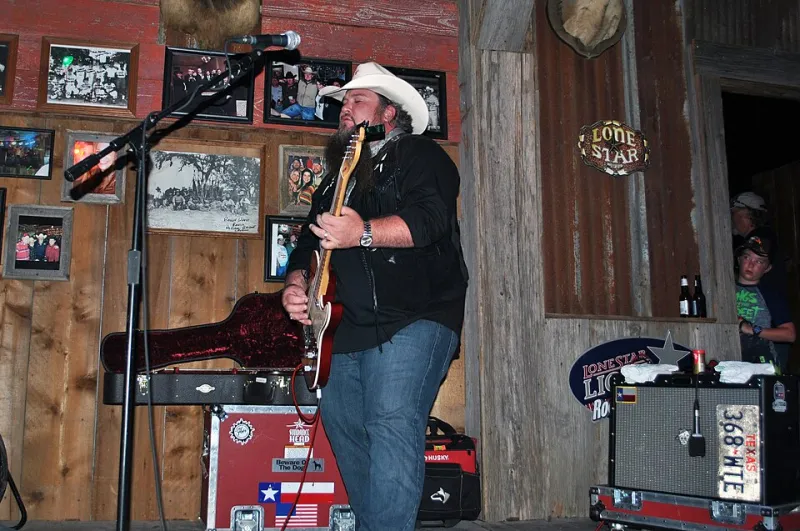
Photo: Carole Chiles Fuller, Public domain, via Wikimedia Commons
There's a particular kind of silence that falls backstage when a support act realises the headline artist's rider has three times their entire fee. It's not bitterness, exactly. More a quiet recalibration of where you stand.
Lewis Taylor has described that feeling more than once. A songwriter whose records have been name-checked by everyone from hip-hop producers to late-night radio hosts, he's spent stretches of his career in a strange limbo: too established to be a discovery, too independent to be treated as a peer. The result? He's opened for acts he could quite happily have co-headlined with.
He's not alone. And that's the problem worth talking about.
The Glass Ceiling Nobody Built On Purpose
Ask around the UK soul scene and a pattern emerges. Artists with two, three, even four albums behind them — devoted followings, sold-out gigs in London, Manchester, Glasgow — still finding their names in smaller type at the bottom of tour posters.
The logic, on paper, makes sense. Promoters want American names on the marquee because American soul carries a premium in the public imagination. A UK artist supports, pockets a modest fee, and picks up a few hundred new listeners. Everyone goes home reasonably content.
But scratch the surface and the arrangement starts to look less like mutual benefit and more like a structural habit. British soul is treated as a warm-up act for its own genre.
What the Numbers Actually Say
Here's the uncomfortable bit. When UK soul artists headline their own shows, they often perform brilliantly. Small venues fill. Merch tables do brisk business. The crowds sing back words the radio never played.
So the deficit isn't in talent or audience appetite. It's in perception — and perception, in this industry, is largely a marketing budget. Independent UK soul artists don't have PR machines pushing them into festival billings or playlist meetings. What they have is craft, and craft doesn't buy billboards.
Taylor has been candid about this in past conversations: the gap between how his music is received and how it's resourced has never quite closed. The records find their people. The machinery to amplify them simply isn't pointed in his direction.
Peers in the Same Boat
Spend an evening talking to other singers on the circuit and the same story surfaces with different names attached. One describes being offered the same support fee she was quoted a decade earlier — for a bigger venue. Another mentions A&Rs who praise his voice warmly, then book an American import for the slot he was angling for.
Nobody's conspiring. That's almost the frustrating part. It's a thousand small decisions, each individually defensible, adding up to a scene that undervalues itself.
What Would Actually Change Things
A few things, most of which are already flickering into life:
- Independent labels with muscle. The UK's boutique soul imprints have grown bolder about co-headline tours and festival stages rather than support slots.
- Radio and playlists taking homegrown soul seriously beyond a token track per show.
- Audiences doing what they do best — turning up early, buying the record, treating the support act as the reason they came.
Because here's the truth the industry keeps missing: the UK soul audience doesn't care about geography. They care about whether a voice stops them in their tracks.
Second Line, First Choice
Until the billing catches up, artists like Lewis Taylor will keep doing what they've always done — walking out in front of someone else's crowd and winning it over in forty minutes. It's not the position they deserve. But it might be the best-kept secret in British music: some of the country's finest soul singers are hiding in plain sight, on the second line of the poster.
Go and see them before the type gets bigger. You'll want to say you were there.