Soul Doesn't Need a Passport Stamp: The Case for Sounding British on Purpose

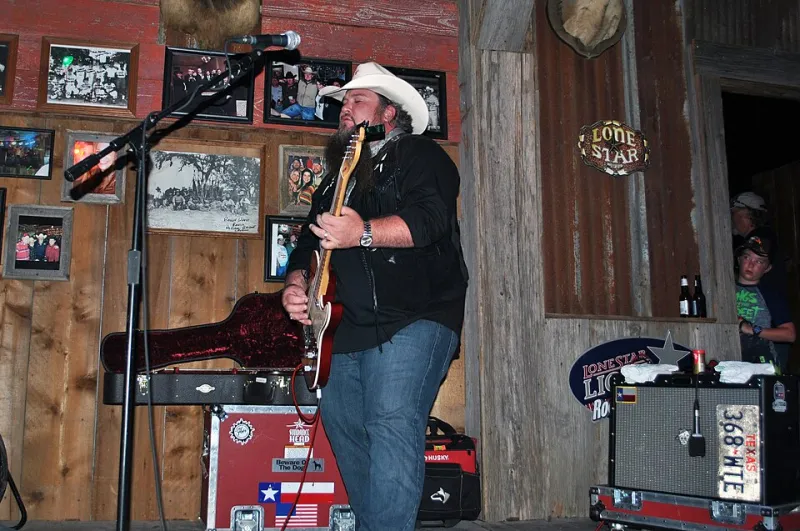
Photo: Eman arab, CC BY-SA 4.0, via Wikimedia Commons
There's a particular kind of review that appears every time a British soul artist releases anything with a Rhodes piano on it. You know the one. 'Britain's answer to Marvin Gaye.' 'The UK's own Stevie Wonder.' 'Daryl Hall, but from Peckham.' It's meant as a compliment. It rarely lands as one.
The habit is so ingrained that most writers don't notice they're doing it. An artist sings well, plays their own instruments, writes their own material — and the first instinct is to locate them somewhere else. Somewhere sunnier. Somewhere with a better track record. Somewhere the comparison has already been paid for.
The Comparison Is Doing More Work Than You Think
Here's the thing about calling someone the next anyone: it hands them somebody else's story. It tells the listener what to hear before the needle drops. It tells the artist what they'll never be — because nobody, anywhere, is the next Marvin. Marvin was the first Marvin, and the second one is a karaoke act by definition.
It also flattens what's actually happening in the music. British soul has always been its own strange, brilliant thing. It grew up in church halls and Northern soul all-nighters, in the pirate radio years and the jazz-funk circuit, in damp rehearsal rooms above pubs in Leeds and Bristol. It sounds like rain on a bus window sometimes. That's not a deficiency. That's a fingerprint.
What Gets Lost in Translation
Lewis Taylor's music gets described this way more often than most, and it's always struck a slightly false note. Yes, the harmonic vocabulary borrows from the tradition — the extended chords, the falsetto, the understanding that a slow jam should still have teeth. But listen properly and you'll hear the stuff that doesn't map onto any American reference point. The jazz training. The London session-player rigour. A lyrical sensibility that owes as much to the grey-skied introspection of British songwriting as it does to Memphis or Motown.
An accent is not an obstacle to soul. It's evidence of life. When a singer drops the drawl and sings in their own voice — the vowels they grew up with, the phrasing their street taught them — that's when the music stops being an impression and starts being a document.
The Home Crowd Deserves Better Than a Photocopy
There's a self-doubt baked into comparison culture, and it runs both ways. Writers reach for the American shorthand because it's easier than describing something new. Audiences accept it because it's easier than listening closely. And artists, slowly, start to believe the frame — smoothing out the oddities, sanding down the accent, chasing a sound that was never theirs to chase.
The result is a genre forever apologising for itself. Meanwhile, the artists who refused the frame — the ones who leaned into being unmistakably from here — are the ones whose records still get pulled out decades later.
Hear It On Its Own Terms
So here's a modest proposal, from a website with a stake in the answer: the next time a British soul record moves you, resist the urge to file it under someone else's name. Sit with it. Let it be from here. Let it sound like here.
The tradition is real, and honouring it matters. But tradition is a conversation, not a costume. British soul doesn't need to be anybody's answer. It just needs to be heard — properly, loudly, and in its own voice.