Honey, Two Mics and a Soundman's Ego: Reading the Tea Leaves of a Tour Rider
Photo: Unknown authorUnknown author, Public domain, via Wikimedia Commons
The myth of the tour rider was written by American arena rock. Bowls of M&Ms with the brown ones picked out, champagne on ice, a private jet idling on the tarmac. Nobody in the UK independent scene has ever seen that rider. What we have instead is a laminated sheet, emailed to a venue promoter at eleven at night, asking — politely, sometimes desperately — for things like "one (1) working kettle" and "please do not move the mic stand, it has been bent to exactly the right angle."
We got hold of one such document: the rider that has accompanied Lewis Taylor around the country's smaller soul venues for the past couple of years. Read it straight, it looks like a shopping list. Read it properly, it's a survival manual. Here's what it actually says — and what it actually means.
The Tea Clause
Line one, in bold: "Tea facilities backstage. Not herbal. Proper builder's tea. Honey, not sugar. Lemon if the honey's forgotten."
This is not fussiness. Anybody who sings for a living will tell you the voice is a moody instrument, and the two hours before a show are spent negotiating with it. Honey and lemon is the standard pre-gig ritual for a reason — it coats, it soothes, it buys you the top of your range for another night. Sugar, meanwhile, thickens everything you don't want thickened. The "proper builder's tea" bit is just a Brit being a Brit: PG Tips over chamomile, always, even when the chamomile is technically better for you.
What the rider doesn't say is the reason behind the reason. When you're playing rooms that hold 250 people and the merchandise money is what pays for the petrol, you cannot afford a croaky night. The tea clause is insurance.
The Mic Stand Superstition
Then there's the stand. "Artist's own mic stand to remain untouched. Do not adjust, do not swap, do not 'tidy'."
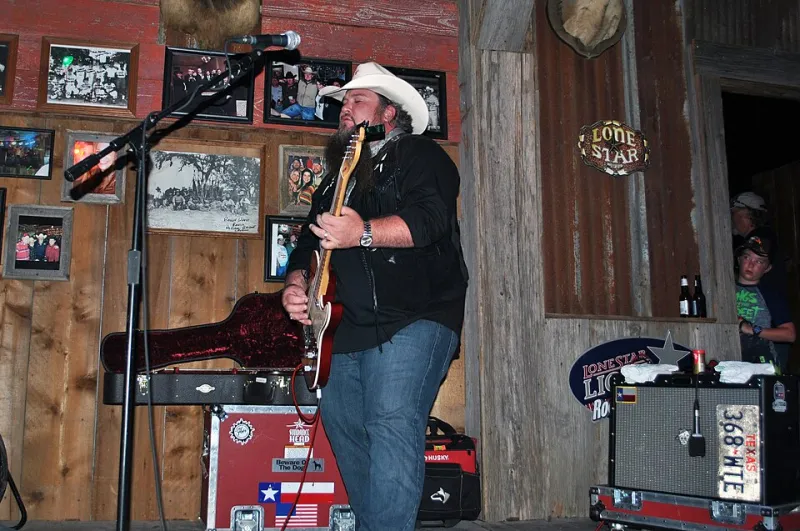
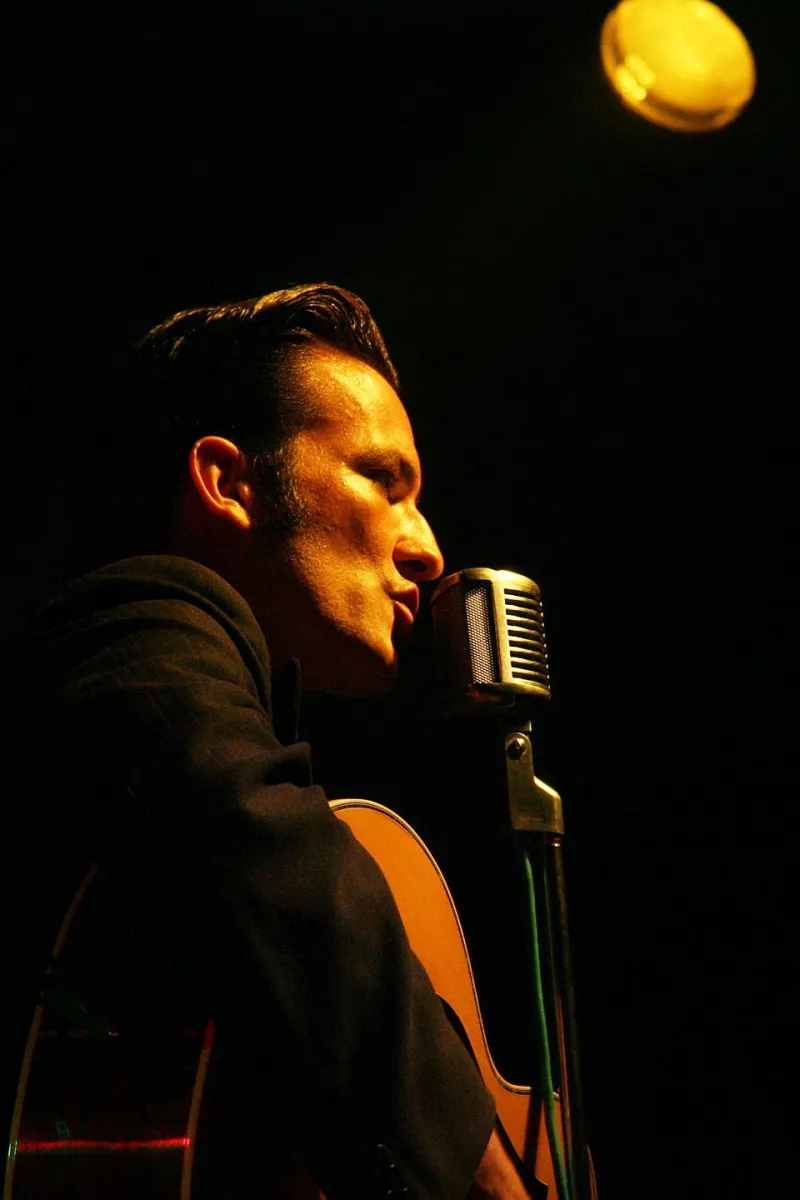
Every venue has its own stands and every one of them is slightly wrong — too wobbly, too short, prone to a slow, tragic sink during the quiet bit of the second song. But there's more to it than height adjustment. A performer's own stand, bent and taped and marked from a hundred nights, is a piece of muscle memory. When your hand drops to adjust the mic mid-phrase, it needs to land where it landed last night and the night before. Take that away and something small goes wrong in every chorus.
Superstition? Partly. But so is wearing the same shirt for every gig, and nobody writes articles about that.
The Soundman Gets a Name-Check
The strangest entry, and the most telling, sits in the middle of the technical page: "Please ensure the monitor engineer is briefed before doors. (If Dave is on the desk, tell him Lewis said hello.)"
That's not a rider request. That's a relationship. On the UK indie circuit, the same handful of engineers work the same handful of rooms in Manchester, Glasgow, Bristol and Leeds, and after enough shared soundchecks you learn who listens, who fights you on the monitor mix, and who can make a small room sound like a chapel with good acoustics. Naming a specific sound guy on a rider is a thank-you, a nudge and a negotiation tactic all at once. It says: this person matters more to the show than anything on this page.
Independent soul music lives or dies on the monitor mix. You can't sing close harmony with a band if you can't hear yourself, and you can't complain about it afterwards to anyone who cares. The Dave clause is the rider doing its real job.
The Things That Never Turn Up
Of course, half the rider goes unfulfilled, and the document knows it. There's a weary pragmatism in the phrasing: "hot water (or any water)"; "a mirror would be nice (not essential)"; "somewhere warm to wait". The last one is the honest one. Ask any artist who has played a Wednesday in a basement venue in January: the backstage room is often a storeroom with a broken heater, two chairs and a fire door that doesn't latch.
The requests that get ignored are never the diva ones. They're the boring ones — the extension lead for the keyboard rig, the table for the merch, a parking space near the load-in because the van can't stop on a red route for forty minutes. Nobody refuses a rider out of malice. It's just that the person reading it has already dealt with a leaking ceiling and a drummer stuck on the M25, and the kettle has slipped down the list.
Why Any of This Matters
A rider looks like a list of demands, but for an independent artist it's closer to a diary of everything that's gone wrong before, written down so it doesn't happen again. The honey is for the throat that packed in in Sheffield. The untouched mic stand is for the chorus that wobbled in Birmingham. Dave is for the night everything sounded perfect and nobody in the crowd knew why.
So next time you're at a show and the singer asks the crowd to say hello to the sound engineer, know that it started on a laminated sheet, somewhere between "proper tea" and "somewhere warm to wait". The glamour of the independent circuit is thin on the ground. The honey, with luck, is not.