First On, Mostly Forgotten: Life as the Name Nobody Came to See
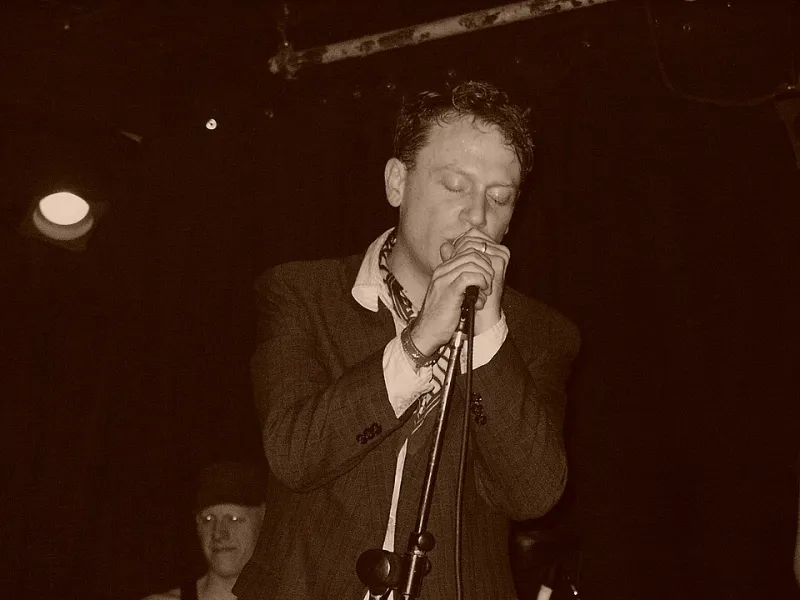
Photo: Codo, CC BY-SA 2.0, via Wikimedia Commons
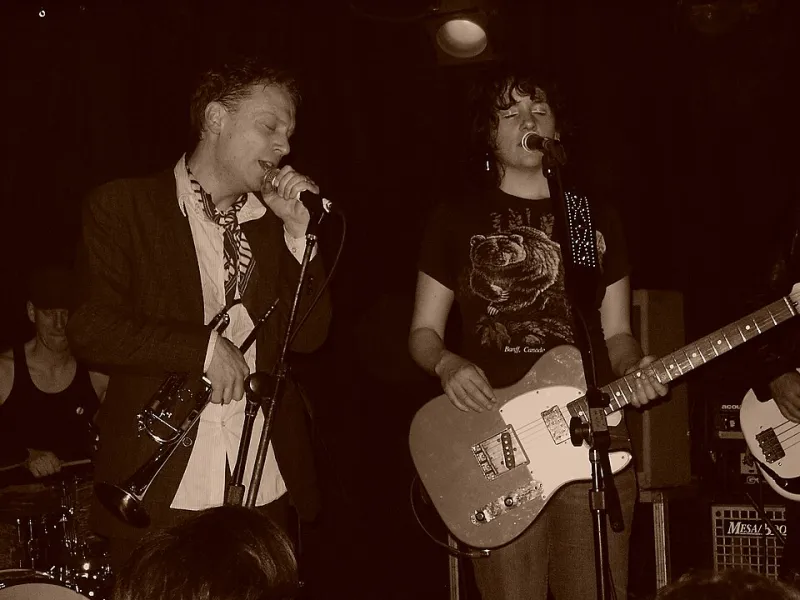
There's a particular kind of loneliness to soundchecking at 5pm in a half-empty room. The bar staff are doing their stock take, the promoter is somewhere on the phone, and you're playing your heart out to a man in a hi-vis jacket stacking chairs. Welcome to the world of the support act — the opening line of a bill most people only read the bottom of.
For independent soul artists in the UK, the support slot remains both a rite of passage and a bit of a racket. So we thought it was time somebody pulled back the curtain.
How These Slots Actually Get Booked
Contrary to popular belief, most support acts aren't plucked from obscurity by the headliner's A&R team. In reality, it's usually far less glamorous.
"Nine times out of ten it's a favour chain," explains a booker at a 250-capacity venue in Manchester, who asked not to be named because, frankly, she still needs those favours. "A manager knows a manager. Or an agent owes somebody one. Or the headliner's original support cancelled two days before and someone's cousin plays soul."
Sometimes, though, it's more deliberate. Venue bookers keep mental lists of local acts who draw a handful of people and play tight. Get on that list and you'll get the call. The trick, everyone agrees, is being easy to work with — turn up on time, don't overrun, don't break the house DI box.
"I've put the same acts on three or four times purely because they were pleasant in the green room," our booker admits. "Talent gets you the slot once. Not being a nightmare gets you the next one."
The Money Question (Brace Yourself)
Let's not sugar-coat it: the majority of support slots at this level pay nothing. Or, more accurately, they pay in a currency called exposure, which doesn't cover the train to Sheffield.
The typical deal looks like one of the following:
- A flat fee — anywhere from £50 to £150 for a mid-sized independent show, increasingly rare
- A cut of the door — often a slice of tickets sold through your own promo code, which puts the onus on you
- Expenses — travel covered, maybe a meal, and you'd be amazed how often even that gets forgotten
One emerging singer from South London told us she did eleven supports in a single year and came out roughly £340 down once she'd paid her guitarist and covered petrol. "But two of those shows got me actual fans," she says. "People who now come to my own headline gigs. You can't put a price on that, although my landlord has tried."
The honest maths is this: a support slot is an investment of your evening, your energy and usually your money, in exchange for access to a room full of people who didn't come to see you — which is exactly the audience you need.
Why It Still Matters
Ask any established artist about their breakthrough and you'll often hear the same shape of story: they supported the right person at the right time. Opening for a soul act with a loyal following is the fastest way to borrow an audience for forty minutes and hope some of them stay borrowed.
There's also the craft element. Playing to a distracted, chattering crowd teaches you things a bedroom demo never will — how to hold a room, when to strip it back, how to win over strangers one chorus at a time. Some of the best UK soul singers of the last two decades learned their stagecraft in exactly these unforgiving opening slots.
What Fans Can Do (This Bit's For You)
Here's where we make our regular plea, dear reader: arrive early.
We know. The headliner goes on at 9.15, you've had a long week, and the pub across the road is warm. But the support act is very often the best value in live music — a genuinely brilliant artist you've never heard, for a fraction of the ticket price, with none of the crowds at the merch stall afterwards.
A few practical tips:
- Check the support before you go. Two minutes on Spotify. If you like what you hear, you've just upgraded your evening.
- Watch the first three songs minimum. Most acts take a song to settle. Bailing after one is like judging a book by someone reading the spine out loud.
- Follow them on the way out. A stream, a mailing list signup, a kind word at the merch table — small things that actually keep independent music alive.
- Tell the venue you enjoyed them. Bookers remember who packed the early doors.
The Long Game
Every support act on every poster in the country is having the same quiet internal negotiation: is this worth it? For the love of the music, usually yes. For the money, almost never. For the chance that forty strangers walk out humming your chorus — that's the whole gamble.
So next time you're at a show and the first name on the bill means nothing to you, do the artists on stage a favour. Put your drink down, face the stage, and be the crowd they'll remember. Somewhere down the line, when they're headlining their own tour, you can say you were there at the start.
And if you're an artist reading this with your first support slot coming up: learn your set, be nice to the sound engineer, and never, ever overrun. We'll see you down the front.