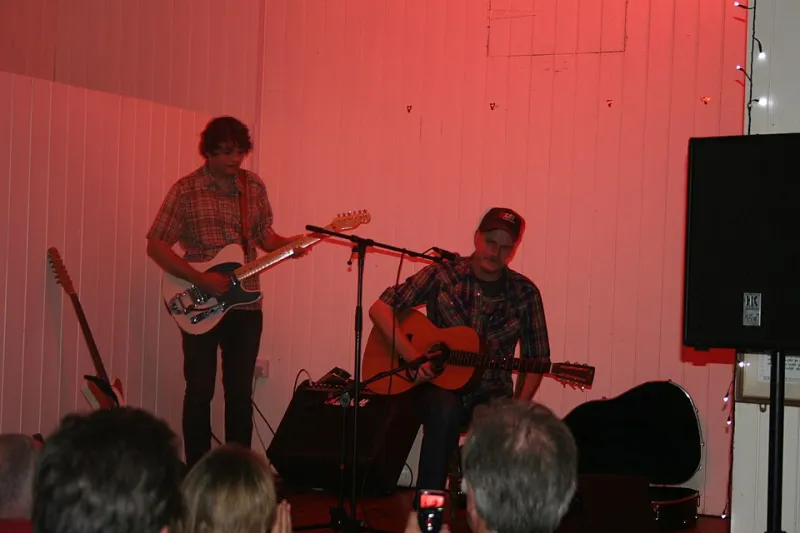
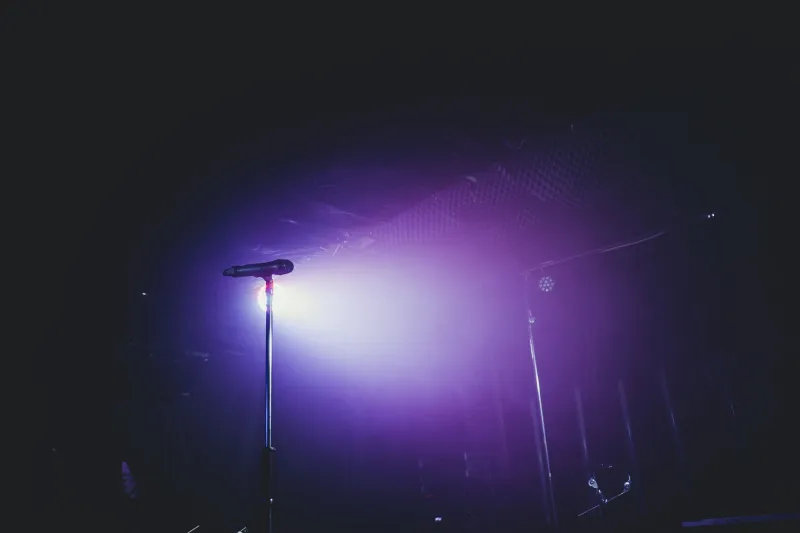
Empty Chairs, Humming Amps: The Quiet Hour Before a Soul Show Really Begins
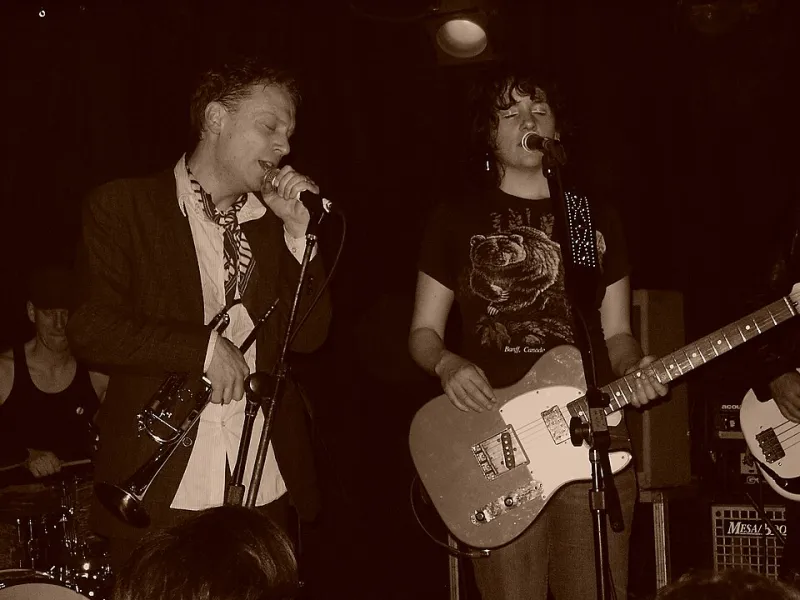
Photo: Codo, CC BY-SA 2.0, via Wikimedia Commons
There's a version of a gig that most people know. The doors at seven, the support at eight, the first chord of the headline set greeted by that warm British murmur of approval — a sort of collective 'go on then'. It's a lovely version. It's also the second draft.
The first draft happens earlier, usually around four in the afternoon, when the venue smells of last night's lager and the only audience is a barman doing the glasses. That's when Lewis Taylor walks in, guitar case in one hand, half a meal deal in the other, and gets to work on the part of the show that nobody will ever see.
The Room Has to Learn Your Voice
Every venue is a stubborn collaborator. A converted chapel in Sheffield behaves nothing like a low-ceilinged basement in Manchester, and neither of them behaves like the artist wants them to. So the first job is simple in theory: stand on the stage, make a noise, and listen to what the room does with it.
'The first ten minutes are just arguing,' Lewis says, only half-joking. 'You sing a note and the room hands it back to you late, or boomy, or like you're singing into a biscuit tin. So you nudge. Move a monitor six inches. Drop the low end a touch. It's a negotiation, and the room always holds most of the cards.'
There's no crowd to hide behind, either. In an empty venue, every buzz from a DI box and every rattling cable is laid bare. It's honest in a way that's slightly unnerving — the sonic equivalent of being caught without the lights dimmed.
A Ritual Written in Guitar Strings
Ask any touring musician and they'll admit the soundcheck is really a superstition with a plug on it. Lewis has his own sequence, unchanged for years: keys checked first, always; then the guitar, tuned and retuned while the engineer watches with the patience of a saint; then a run through of the opening song's first verse, quietly, almost apologetically, as if the room hasn't earned the chorus yet.
It looks like fussiness. It's actually insurance. When the show starts and the monitors fold back just right, when the guitar sits in the mix like it was poured there, nobody notices — and that's precisely the point. The invisible labour's whole reward is that it stays invisible.
The Loneliest Part of the Job
It would be romantic to say this hour is peaceful, and sometimes it is. But it's also genuinely solitary. No bandmates to bounce off for a solo artist — just Lewis, the engineer up on the sound desk, and a conversation conducted in technical shorthand: 'a touch more vocal in the wedges', 'can we lose some of that hi-hat wash', 'is the reverb doing too much?' The engineer is, for this hour, the only friend in the building.
And yet there's something in the emptiness that matters. 'When the place is full, you're giving,' Lewis says. 'In soundcheck, you're just... receiving. Listening to the room, listening to yourself. It's the only hour of the day where nobody wants anything from me yet.'
Why It Matters to You, Even If You Weren't There
Here's the thing about those effortless moments in a soul set — the harmony that lands like a held breath, the moment the whole room goes quiet for a ballad — none of it is luck. It was decided at half four, by a bloke on his own, shifting a monitor stand two inches to the left while a kettle boiled somewhere in the back office.
So next time you're at a gig, arrive a bit early and stand near the front during the support. Somewhere in that sound, somewhere under the surface, is the residue of an empty room and an hour nobody applauded. That's the soundcheck nobody sees. It's also, quietly, the reason the show feels like magic.
The doors open. The people flood in. The second draft begins — built on the first one, the one only the room ever heard.