Take 47, Two Mic Stands and a Kettle: Inside the Making of an Unreleased Track
There's a voice memo on Lewis Taylor's phone from 3:47am on a Tuesday in February. It's eleven seconds long. A hummed melody, a mumbled chord progression, the sound of a kettle clicking off in the background. That eleven-second fragment is the reason five people spent a damp Saturday in a converted garage in Tottenham, and it's the reason you'll hopefully hear a new track before the year's out.
We were invited to sit in on a session — not to film it, not to promote it, just to watch. What follows is roughly what happened.
The Room Makes the Record
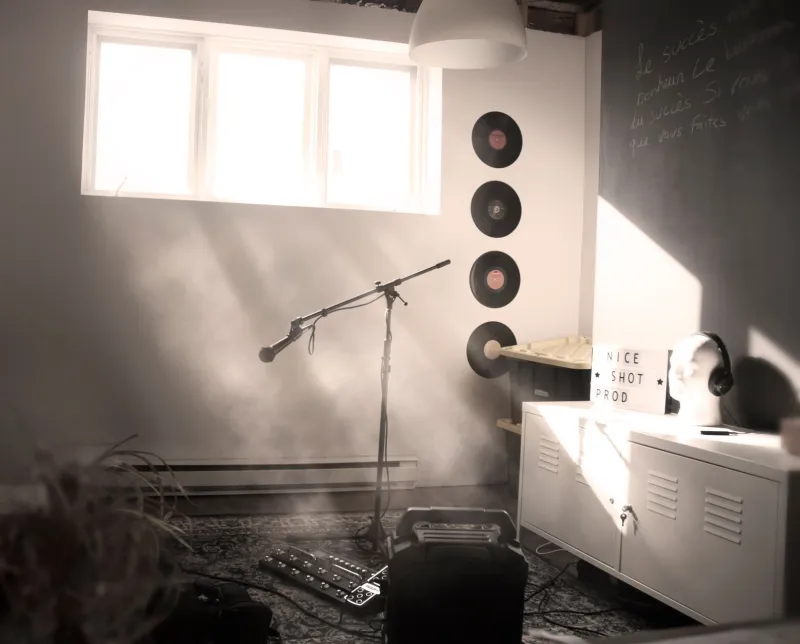
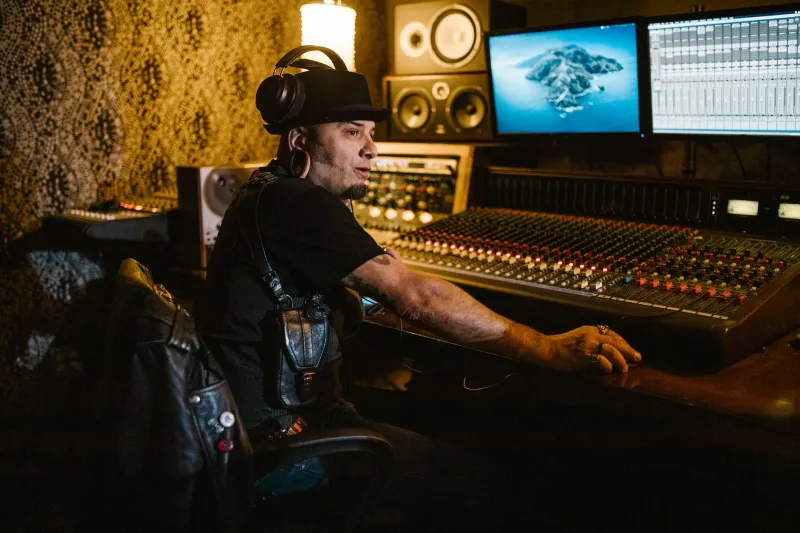
The space is not what you'd call a studio in the Abbey Road sense. It's a garage with acoustic blankets thumbtacked to the walls, a couple of rugs on concrete, and a mixing desk that's older than two of the musicians present. The drum kit sits on a pallet to lift it off the cold floor. There's a smell of solder and instant coffee.
"You don't need a fancy room," the engineer tells us, while patching cables like a man defusing something. "You need a room that's quiet enough and a take that's honest. Everything else is decoration."
That philosophy runs through the whole project. This is a self-produced record in the truest sense: no label advance, no outside producer flown in, no day rate ticking up by the hour. The budget, roughly speaking, is whatever's left after rent, plus favours called in from people who believe in the music.
Layer by Layer
The song — working title 'Slow Weather', though nobody's committing to that — started with bass. Lewis tracked the whole thing live, no click, playing off the voice memo. Three passes, and the third one had something. "That's the keeper," said the engineer, and that was that. No debate, no comping across twelve takes. On this budget, you learn to trust your ears and move on.
Then the day got busier. Drums went down in the afternoon with a single large-diaphragm mic as room tone and a couple of close mics on the kit — a setup that costs a fraction of a full session-player rig and, honestly, sounds warmer for it. Keys came next, an upright piano slightly out of tune at the top end, which everyone agreed to keep because the warble suits the song. "If it's in tune it's boring," Lewis shrugged. It's hard to argue with that.
By early evening there were backing vocals — three voices crammed round one mic, heads together like a pub choir. One of the singers had never recorded before. She nailed it on the second pass and apologised for the first.
The Honest Bits
What struck us most wasn't the music. It was the economy of it all. Every decision was weighed — not in pounds exactly, but in time. Time is the currency here. One more take means one more hour of someone's evening, one more day before the mix, one more week before the song exists.
There was a moment, around take 47 on a guitar overdub, where the room went quiet and everyone questioned their choices. The take that got kept was take 12.
But that's how a modest UK soul record actually gets made in 2025. Not in a vacuum, not on a whim — through patience, friendship, and a stubborn refusal to let the lack of a budget become the lack of a record.
The final mix bounced at 11pm. It's rough. It's alive. And when it finally lands on streaming, remember it started with a kettle at 3:47am.