No Label, No Problem: The DIY Toolkit Keeping UK Soul Independent
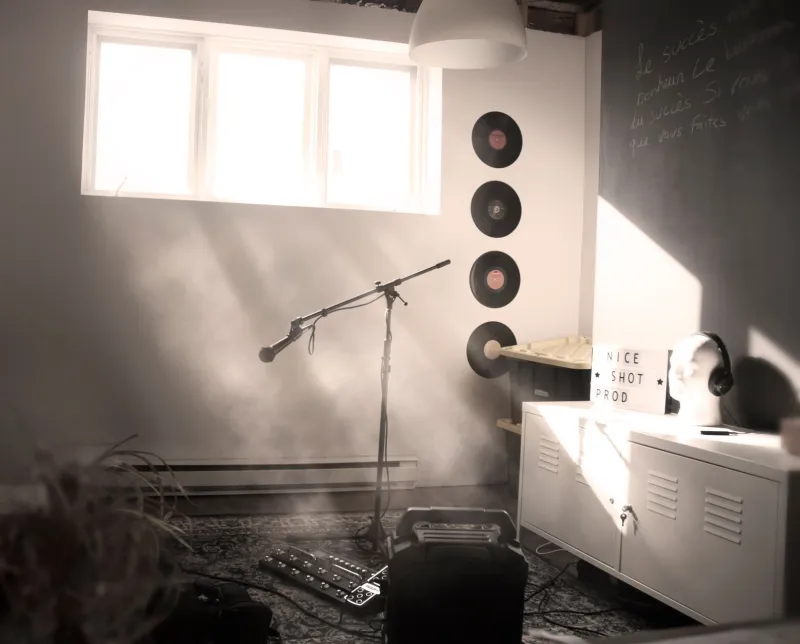
There's a particular kind of freedom in owning your own masters — and a particular kind of admin. For UK soul artists working outside the label system in 2025, independence isn't a vibe, it's a workflow. Here's how it actually gets done, day to day.
The Friday That Pays the Rent
Bandcamp Fridays — the monthly event where the platform waives its revenue share — have quietly become the financial heartbeat of the independent scene. An artist like Lewis Taylor can drop a back-catalogue remaster or a live session on the first Friday of the month and watch fans, many of whom have streamed the music free for years, finally put money where their ears are.
The numbers aren't glamorous, but they're honest. A £7 digital album sale beats roughly 1,000 Spotify plays. Multiply that by a devoted mailing list and you've got something a label advance used to provide — except this time, nobody owns the record but the person who made it.
Sync: The Unseen Paycheque
Ask any independent soul artist about sync licensing and watch them lean in. Getting a track placed in a Netflix drama, an advert or a BBC trailer can fund an entire album cycle. The catch? It requires a well-organised catalogue, clean rights ownership and, ideally, a sync agent who'll take calls.
This is where even the fiercest DIY purists bend. Taylor's strategy, like many of his peers, is a hybrid: self-release everything, but let a specialist pitch the back catalogue for sync. Independence doesn't mean doing everything alone — it means knowing exactly which doors to open yourself.
The Patreon Experiment
Direct-to-fan platforms have matured beyond the awkward early days. A modest Patreon tier — early demos, isolated vocal takes, the odd unreleased B-side — turns casual listeners into patrons of a working musician. It's the 21st-century version of the folk club membership, and British soul audiences, it turns out, are remarkably good at showing up.
Vinyl, But Do the Maths
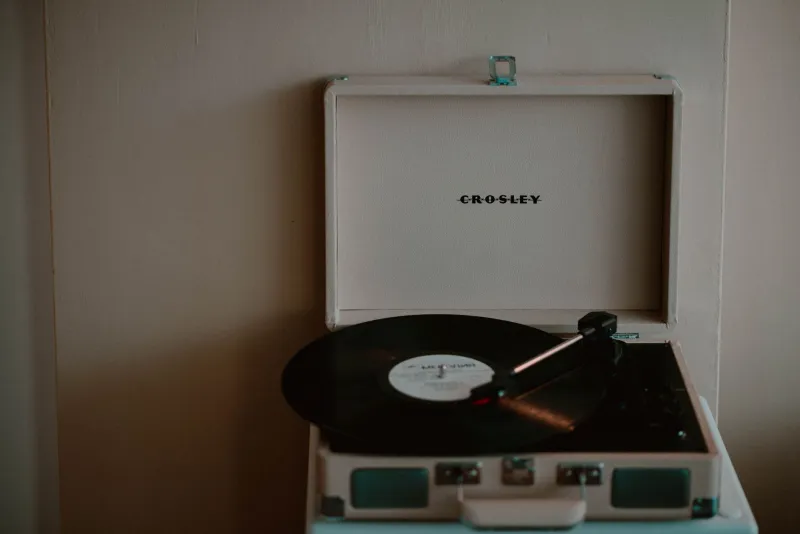
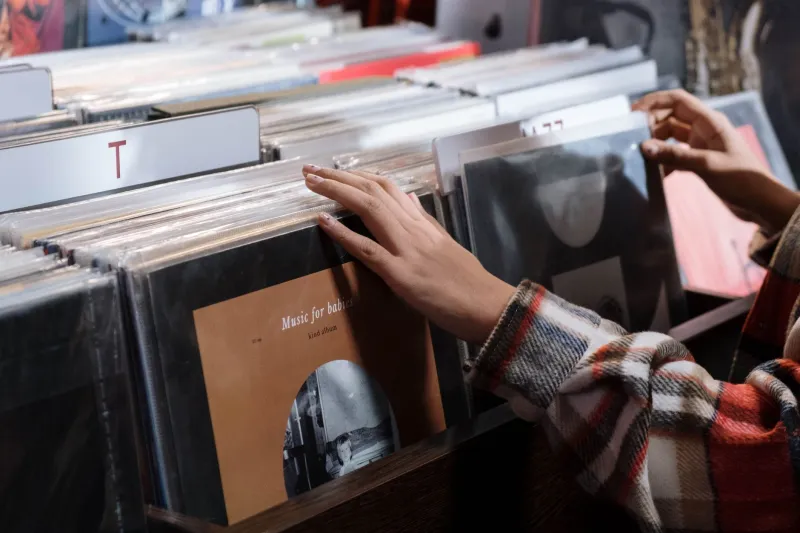
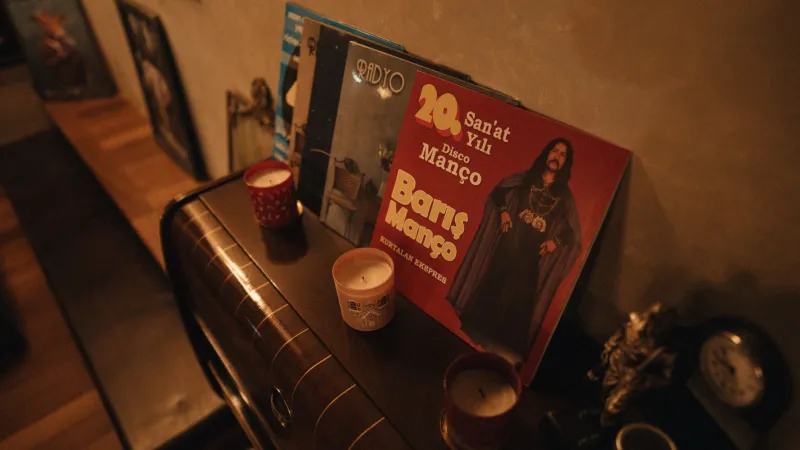
Pressing a record in 2025 means minimum runs of 300, waiting months for plant capacity, and paying up front. The artists making it work sell pre-orders directly, keep runs small, and treat each pressing as an event rather than stock. Hand-numbered copies, a handwritten note in the sleeve — the object has to justify itself.
What's Still Missing
Radio plugging, national press and festival booking remain stubbornly gatekept. Most independents still hire a plugger for a single, or trade favours across the scene. The honest answer to "can you do it all without a label?" is: mostly — but not entirely, and not alone.