Vinyl in a Suitcase: The Unvarnished Economics of Being a UK Soul Artist in 2025
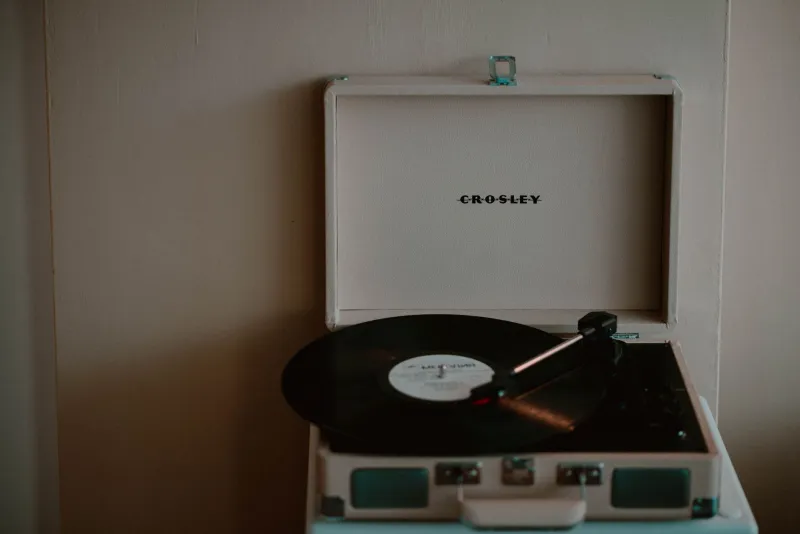
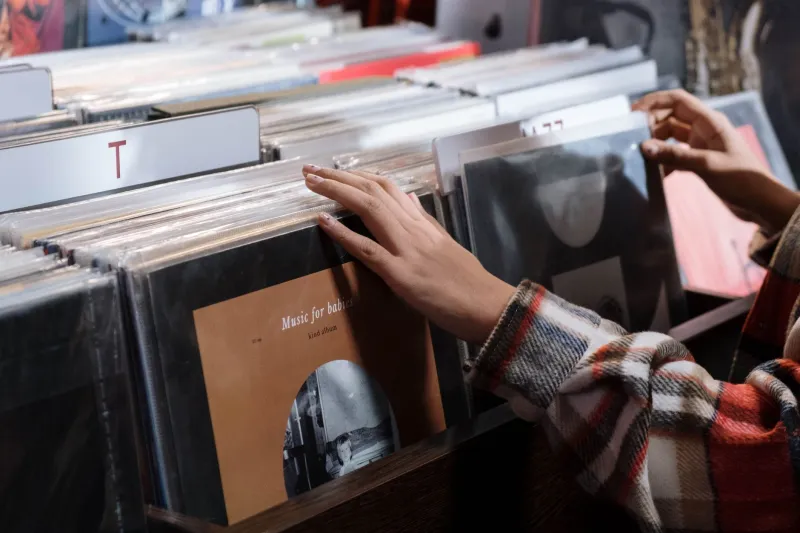
There's a moment at the end of nearly every gig on the UK soul circuit that the audience rarely thinks about. The last chord rings out, the crowd drifts towards the bar, and the artist packs up their gear — then pulls a battered suitcase from behind the amp stack, unzips it, and starts selling vinyl. Cash and card. Twenty-five quid a pop, sometimes thirty for the coloured pressing.
That suitcase, as much as any streaming dashboard, is the real economy of British independent soul in 2025.
The Streaming Maths Nobody Puts on a Poster
Let's start with the uncomfortable bit. One artist we spoke to — a soulful singer-songwriter with national radio plays and a festival slot or two under her belt — shared her royalty statements under condition of anonymity. Across a year in which her tracks racked up roughly 1.4 million streams, she earned a shade over £4,700. Split across Spotify, Apple Music and a handful of smaller platforms, that works out at around a third of a penny per play.
"A million streams sounds like a career," she told us. "It's a month's rent in London and a new guitar pedal. That's it. That's the career."
For artists on indie labels without major distribution clout, the per-stream rate often sits even lower. Which is why the modern UK soul artist has become, out of necessity, a small business with several revenue streams — and the streaming numbers are the shop window, not the till.
Bandcamp Fridays and the Cult of the Direct Sale
If streaming is the shop window, Bandcamp is the till. On the platform's regular fee-waiver days — the much-loved Bandcamp Fridays — artists keep an average of 90-odd per cent of every sale, and fans, knowing this, show up.
One London-based neo-soul vocalist walked us through his numbers. A typical Bandcamp Friday, timed to a single release with a limited run of 200 vinyl copies, brings in between £1,800 and £2,600. A strong one, pushed hard on Instagram and via his mailing list, once cleared £4,000 in a day. Compare that to four years of streaming income and you start to understand why every artist we spoke to treats Bandcamp as the backbone, not the bonus.
The trick, several said, is scarcity and sincerity in equal measure. Hand-numbered pressings. Demo versions that exist nowhere else. A handwritten lyric sheet tucked into every fifth sleeve. "People aren't buying plastic," one Hackney-based producer put it. "They're buying proof they were there at the beginning."
The Suitcase Economy
Back to that suitcase. Merch sold at gigs remains the single most reliable income line for most independent soul artists — and the margins are the healthiest in the whole business.
A vinyl pressing might cost an artist £6-8 per unit at small quantities. Sold at £25 from a merch table, that's a £17-19 margin, in cash, on the night, no platform taking a cut. T-shirts, bought blank for £4 and printed locally in Leeds or Glasgow, can clear £12-15 each. One touring artist estimated that a good merch night at a 250-capacity venue — think Manchester's Night & Day or Bristol's The Louisiana — can outearn the entire performance fee.
"I've done support slots where the fee was £80 and the merch was £600," she laughed. "You learn quickly which nights matter."
Sync Licensing: The Quiet Lifeline
Then there's the income stream nobody talks about at parties: sync licensing, the placement of music in TV dramas, adverts and documentaries. For UK soul artists, whose music carries an emotional warmth that brands and commissioners adore, syncs can be transformative.
A single placement in a mainstream drama might pay anywhere from £2,000 to £20,000 depending on usage and territory. An advert — even a modest national campaign — can eclipse a year of streaming revenue. One artist told us a track that had earned £300 in three years on Spotify generated a five-figure sum after appearing in a Sunday-night ITV drama. "Same song," he shrugged. "Different door."
The practical hurdle is access: sync agents, pitching libraries and personal contacts. Increasingly, UK indies are signing non-exclusive sync deals purely to get their catalogue in front of music supervisors.
Patreon and the Ten-Pound Loyalists
The newest pillar is the subscription model. Patreon pages run by UK soul artists are small — typically 50 to 300 supporters — but mighty. At £5-10 a month, a page with 150 patrons is a steady £750-1,100 monthly income, rain or shine, tour or no tour.
What do patrons get? Demos, voice notes, live-at-home sessions, the occasional unreleased ballad. One artist described her patrons as "a hundred people who've essentially pre-bought my next album and my next three bad months." For musicians without label advances, that predictability is worth more than any playlist.
So What Does It Add Up To?
Pull the threads together and a picture emerges. A hardworking independent UK soul artist — one album, regular gigs, an active Bandcamp, a modest sync deal and a small Patreon — might realistically gross £25,000-45,000 a year. After pressing costs, PRS membership, plugging, petrol and a session player or two, the take-home often lands closer to £20,000.
Nobody we spoke to is getting rich. But several are, for the first time, getting by entirely on music — and that, in 2025, counts as a triumph of the independent spirit.
So the next time you're at a gig and you see that suitcase open by the merch table, buy the record. You're not buying a souvenir. You're buying the next one.