Shelved, Not Buried: Confessions of the Album I Refused to Finish
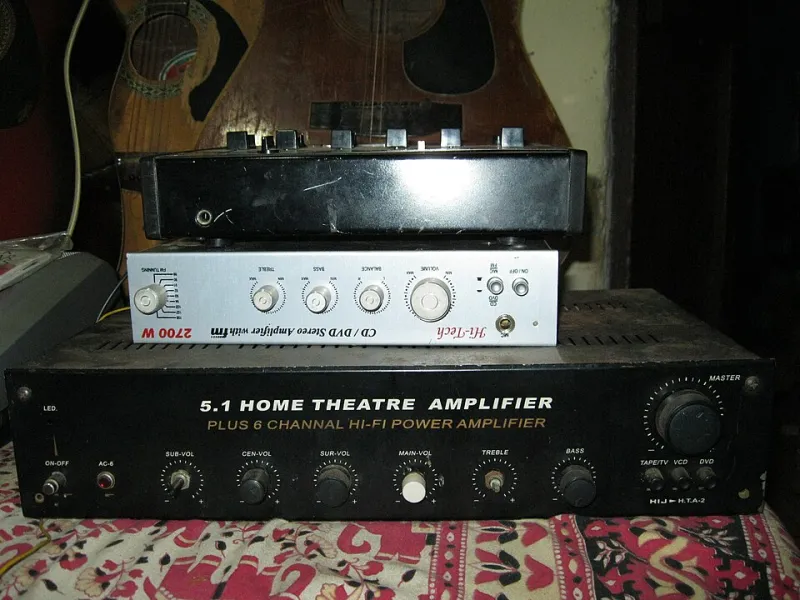
Photo: julian correa from belgaum cantonement, india, CC BY 2.0, via Wikimedia Commons
Somewhere on a hard drive in my house there lives an album. Eleven songs, most of them half-tracked, a couple of them genuinely good, one of them — I'll admit it — potentially great. It was written in the strange, airless spring of 2020, when the venues went dark and the calendar went blank, and it will almost certainly never come out.
I want to tell you why that was the most useful decision I've made as a writer.
The Album Everyone Was Making
You remember the mood. Musicians everywhere, suddenly housebound, decided this was the moment. No touring, no distractions — finally, the record! The discourse was relentless: artists urging each other to use the time, labels pivoting to 'remote sessions', everyone's cousin releasing a bedroom single.
And look, some beautiful things came out of that period. But something I couldn't name at the time was wrong with mine. The songs were competent. The production was careful. And every single track felt like it was being made about the situation rather than despite it. I was writing to fill the silence, not because the songs demanded to exist.
Done Versus Finished
Here's the distinction I've come to live by, and I offer it to every writer grinding away at a project that won't breathe: a record is finished when the songs have said everything they're going to say. A record is merely done being worked on when you've run out of reasons to keep fiddling. Those are completely different states, and confusing them is how you ship something dead.
My lockdown batch was done being worked on. I'd arranged the life out of it. Every demo had been through four rounds of revision, and each round had sanded off a little more of whatever made the songs alive in the first place. The rough iPhone voice memos — the ones where I'm half-singing into my phone in the kitchen — had more blood in them than the polished sessions.
That's when it clicked. The problem wasn't the songs. The problem was the circumstances. They'd been written out of anxiety and boredom, and no amount of mixing could disguise that. Finishing the album would have meant spending money, time and goodwill on something I didn't believe in — and worse, putting it out into a world that would have politely said 'nice one' and moved on.
What the Shelving Bought Me
People talk about letting go of songs as a loss. I'd argue the opposite. Abandoning that record bought me three things.
First, it taught me what my actual bar is. Once you've consciously walked away from a body of work, you know what 'not good enough' feels like from the inside, and that knowledge sharpens every decision since.
Second, it freed up the good ideas. Two of those eleven songs weren't dead — they were just trapped in the wrong album. One of them, reworked properly a couple of years later, became a genuine centrepiece of my live set. Songs aren't perishable. You can put them in the freezer.
Third — and this is the one nobody tells you — it gave me a story about my own taste. Every artist needs at least one thing they didn't release. It's proof that you have a filter, that not everything that leaves your studio is a referendum on your worth.
The B-Side of the Break
We narrate the pandemic as lost time, and for the industry it largely was. But creatively, I've made peace with mine. The unfinished album sits on its drive, unmastered and unloved, and I feel no grief about it. It was a record made by a man who didn't know when he'd play live again, to an audience of nobody, for reasons that were really about fear.
The records I've made since were made for the rooms I actually play, for the people who actually turn up. That's the lesson the shelved album taught me, and it cost me nothing but a hard drive's worth of space: knowing when a batch of songs is finished is a skill. Knowing when it's merely done being worked on is a survival trait.