Half a Sandwich and a Decade: Notes From the Shared Green Room

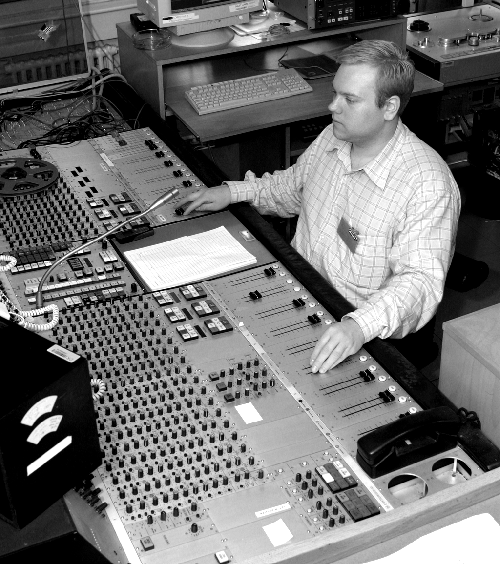
Photo: Yu Chu Chin, CC BY-SA 4.0, via Wikimedia Commons
There's a moment, about four minutes after you've been shown into a dressing room you're technically sharing with someone you've never met, when the whole thing could go either way.
They're tuning a guitar. You're unpacking a laptop. Someone's rider is clearly superior to someone else's, and both of you know whose. The room smells of hairspray and yesterday's soundcheck. And the only question that matters — though nobody says it out loud — is this: are we going to be allies tonight, or are we just going to co-exist?
Twenty-odd years of opening, headlining and everything in between has taught me that this moment is one of the most quietly decisive in a musician's working life. Not the show. The room before the show.
The Etiquette Nobody Writes Down
Nobody hands you a rulebook when you walk in. You learn it the way everybody learns it: by getting it wrong once.
The last sandwich, for instance, belongs to the headliner. Everyone knows this. Except — and here's the beautiful wrinkle — a good headliner will offer it to you first, and the correct response is to take half. Not the whole thing. Half. It signals you're not starving and not proud. It's a tiny negotiation of dignity that would be incomprehensible to anyone outside the business.
The mirror, likewise, is a shared resource governed by time zones of politeness. If they're on in forty minutes, they get priority. If they're on in three hours, offer anyway. The offer matters more than the outcome.
And the tea? You make a round for the whole room. Always. Even if you don't drink it yourself. I've watched more alliances form over a kettle in a basement venue in Leeds than I have over any management meeting.
Twenty Minutes That Outlast the Tour
The maths of these rooms is strange. You might share a green room with someone for a single evening — twenty minutes of actual overlap, most of it spent in headphones — and yet the conversation you have can reroute your whole career.
I met a keyboardist in a dressing room in Nottingham, back when I was supporting someone far more famous than either of us deserved to be near. We talked about nothing. Football, mostly. Then, ten minutes before doors, he asked what I was listening to at home, and I said something obscure, and he said he'd played on the session for it. We were on stage twenty minutes later and I've never felt more like I belonged in a room.
He's played on four of my records now. That's the whole thing, isn't it? You don't remember the venues. You remember the people you shared a dodgy sofa with at 6pm.
When the Support Slot Becomes the Story
The other side of this — and I say it with love — is that supporting is an act of generosity you don't fully understand until you're the one being supported. A good headliner watches your set. A great one tells the crowd about you. A legendary one gives you the last sandwich and doesn't make a thing of it.
So if you're coming to a show and there's a name on the poster you don't recognise: get there early. That person is currently negotiating the etiquette of a strange room, making tea for strangers, hoping tonight's the night it goes the good way.
Be part of the reason it does.