Rooms With a Pulse: Ten Small UK Stages Where the Crowd Actually Matters
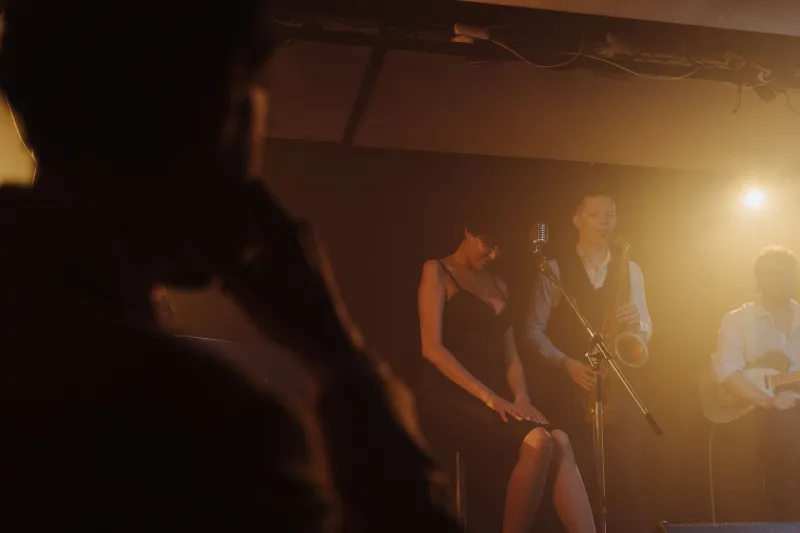
You can't manufacture intimacy. Either the room has it or it hasn't — that alchemy of low ceilings, decent sightlines and a bar you can reach without missing a verse. Soul music, more than almost any genre, depends on it. A vocal that would soar in a 2,000-capacity hall can feel distant up there; in a basement room of 150, the same note lands like a conversation.
These are the kinds of spaces that took a proper hammering over the past few years. Doors closed, bills went unpaid, and the grassroots circuit — the actual feeder system for British music — was reminded how fragile it is. The ones on this list survived, partly because people like us kept turning up. So consider this both a celebration and a nudge: book the ticket, buy the merch, tell your mates.
Here are ten rooms across the UK where independent soul, R&B and leftfield artists still feel the crowd breathe.
1. The Waiting Room, London
A corner boozer in Stoke Newington with a back room that's hosted more breakthrough soul and jazz acts than it has room to admit. Low stage, low ceiling, high stakes. Arrive early; it fills fast.
2. The Lescar, Sheffield
Technically a pub, functionally one of the North's best listening rooms. The crowd here genuinely listens — a rarity — which makes it a magnet for vocalists and small ensembles passing between Manchester and Leeds.
3. Green Door Store, Brighton
Under the railway arches, all exposed brick and echo. Brighton's independent scene would be unrecognisable without it, and the room flatters anything with a groove.
4. The Blue Arrow, Glasgow
A jazz-and-soul listening bar in the proper sense: hushed tables, a serious PA, and an audience that will shush you if you chat through the quiet numbers. Bliss.
5. Matt & Phred's, Manchester
Northern Quarter institution. Pizza, candles, and a stage that's broken in generations of North-West soul and jazz talent. Weeknight gigs here have a Sunday-afternoon looseness that brings the best out of performers.
6. The Sound Lounge, Sutton
A community-owned venue in south London that proves the model can work when locals take ownership. Genuinely rootsy booking, genuinely warm room.
7. Cluny, Newcastle
Two rooms in a former flax mill on the Ouseburn. The smaller space is the one to catch — brick, beams, and a dancefloor that fills the moment a Hammond riff kicks in.
8. The Hug and Pint, Glasgow
Back to Glasgow, because one great room per city is never enough. Small stage, vegan kitchen, and a booking policy with real taste across soul, folk and beyond.
9. The Malthouse, Mumbles
A reminder that the grassroots circuit isn't only an urban story. This coastal Welsh room pulls committed crowds for touring singer-songwriters and soul acts alike — and you can hear the sea between sets.
10. The Brunswick, Hove
Grand, wood-panelled, and shaped in a way that carries a vocal beautifully. It shouldn't work as an intimate room — it's too big for that — but somehow it does.
How to Be a Good Gig-Goer in a Small Room
A few ground rules, from long experience:
- Buy something beyond the ticket. Bars and merch tables are how these venues actually pay their bills.
- Shush kindly, not aggressively. Listening-room etiquette is a dance.
- Follow the venue, not just the artist. You'll discover your next favourite act months before the algorithms catch up.
- Go on a Tuesday. Weeknight shows at small venues are where the magic usually happens — looser sets, chattier performers, better stories.
Why It's Worth the Effort
Every arena act you've ever loved played a room like one of these once. The connection between artist and audience that only exists at fifteen metres' distance — that's where careers are made and where nights you'll still talk about in a decade are had. The grassroots circuit survived the worst stretch in its history because enough people decided it mattered. Keep deciding that. The rooms, and the music inside them, will thank you.